MCQST PhD Board
MCQST is committed to giving PhD candidates a stronger voice and a more active role within the cluster. That’s why we established a dedicated PhD Board — fully self-managed with its own budget — to represent the community’s needs. With the support of the MCQST office, the board works to create an inclusive, vibrant, and connected PhD community.
PhD Board: Your Voice, Your Impact
Peer Advocacy
Represents the concerns and interests of fellow PhD candidates to the MCQST Executive Committee (EC).
Shaping the Community
Goes beyond advocacy — actively contributes to building and shaping an inclusive, vibrant, and engaged MCQST community, creating a real impact.
Budget Allocation
Manages and allocates a dedicated budget for PhD activities, including events, workshops, and retreats.
Social & Networking Events
Plans and organizes networking events that foster collaboration within MCQST, and represents the Board at MCQST events (e.g. Onboarding Event, MCQST Conference)
Supervision Award Evaluation
Part of the jury alongside the MCQST Office team to select the annual IMPRS/MCQST Supervision Award winner every November/December.
PhD Community Feedback Session
Collects and evaluates feedback from peers annually, for example during the General Assembly, to ensure the Board reflects the community’s needs.
NEW: PhD Pizza Seminars
The idea behind this seminar series is “From PhDs, for PhDs.” We want to create a space not just for discussing the big-picture science, but also for diving into the technical details of our work — those conversations that usually only happen in the hallway.
Stay tuned for more details!

PhD Board Members
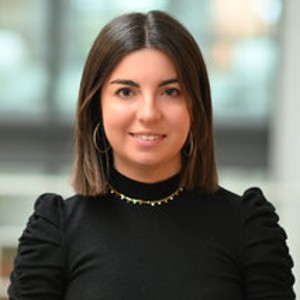

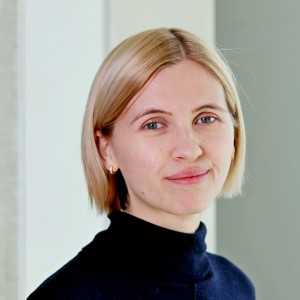

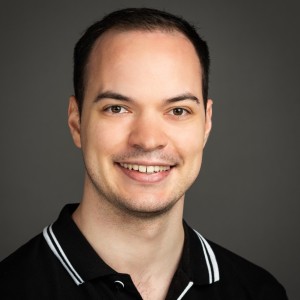

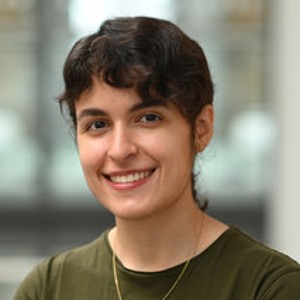

Contact
Got an idea for a PhD event, workshop, or retreat? Have suggestions to make the MCQST community even better? Whether it’s an event, a new initiative, or a small improvement, the PhD Board wants to hear from you — don’t hesitate to reach out!
The PhD Board is just an email away at phd-board[at]mcqst.de
Stay in the quantum loop — sign up for our mailing list and ensure your inbox is never tragically empty of PhD news: Subscribe to the MCQST PhD List.
Some MPQ members are experiencing difficulties subscribing to the mailing lists. We are working to identify and fix the issue. In the meantime, please contact the MCQST Office at info[at]mcqst.de to be added to the list.
Good to know
Roles withing the Board
MCQST EC Representatives
2 Positions - Members of the Executive Committee (EC)
Oversee the Board’s activities and act as the main point of contact for the MCQST office and the EC. Participation of at least one member in EC meetings is required (approx. every two months).
The Scribes of Quantum Order
1–2 positions
Coordinating meeting agendas and documenting decisions made during meeting and discussion.
Queen/King of Coin
2 positions
Masters of financial foresight and budget balancing, making sure not a single euro disappears into a black hole.
Alice & Bob Signal Coordinator(s)
1–2 positions
Coordinating all communication within the community, crafting messages, and summoning your peers to events and calls.
Note: The IMPRS-QST Representatives are also part of the PhD board. The specific roles and responsibilities will be assigned among board members once it is established.
Board meetings
Board meetings should take place every third month for general updates, decision-making, and planning. Additional ad-hoc meetings may be planned if urgent planning issues come up.
Decision making withing the board
• Simple majority for budget or policy decisions.
• Quorum: at least >50% participants in the meetings where decisions are met (especially related to budget)
Board term length
The board members are elected every two years. Should a board member leave the community early, the vacancy will be filled during the current term.