Pioneering and interdisciplinary QST research
The Munich Center for Quantum Science and Technology brings together over 60 Principal Investigators (PIs) and over 500 scientists in the Munich research area working across the different disciplines of Quantum Science and Technology (QST). Bridging different research fields and institutions the MCQST covers the entire range from fundamental science, through technology and material development to applications.
With a broad and complementary expertise available in the Munich research ecosystem, MCQST researchers have been made pioneering contributions across all core fields of quantum science and technology, distinguishing the cluster nationally and internationally. Munich researchers are among the forefront of paving the way to establish QST also in other fields of science and identifying new explorative topics and applications.
From 2026, MCQST enters its second funding phase with a restructured program, building on this foundation to push the frontiers of quantum research and strengthen Munich’s position as a global hub for quantum science and technology.
Structure of the Research Program
We continue to elaborate on our core research objectives, addressing fundamental research questions, centered around the concept of entanglement:
- Advance the Field of Quantum Information Science
- Explore Fundamental Aspects of Entanglement
- Understand and Engineer Many-Body Quantum Systems
- Exploit Entanglement for Applications
- Identify and Strengthen the Cross-Links Between Research Fields
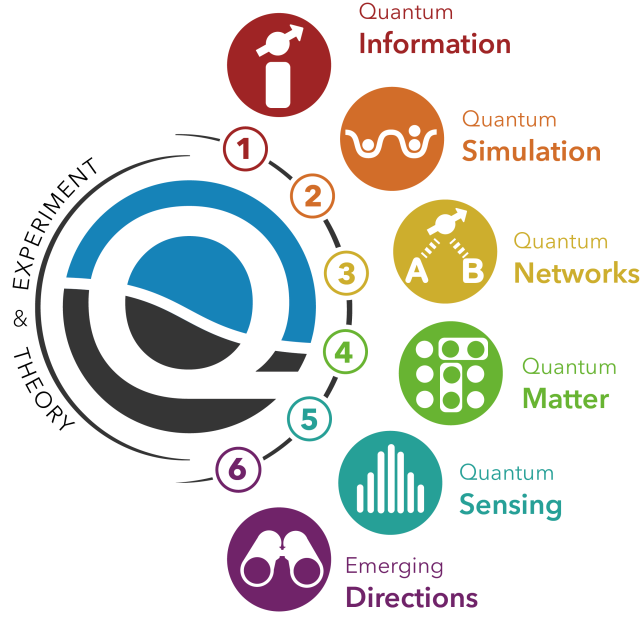
To address the cluster’s strongly interrelated objectives and to better intertwine theory and experiments, MCQST-2 is restructured into six Research Areas (RA) focusing on fundamental science. The research areas cover complementary experimental platforms and theoretical approaches from various perspectives.
Research Areas
Quantum Information
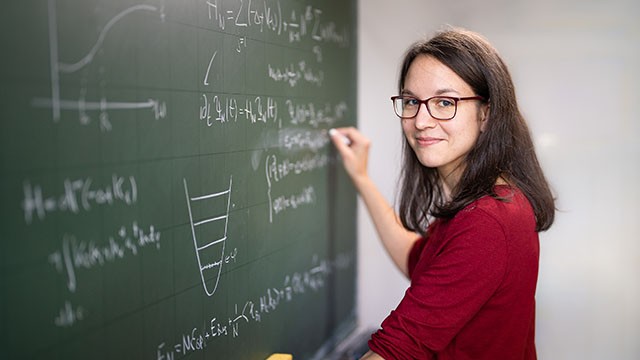
Quantum Information investigates how quantum phenomena can transform information processing. This area develops the theories, algorithms, and tools that underpin quantum computing, bridging fundamental research with the technologies driving the emerging quantum age.
Quantum Simulation
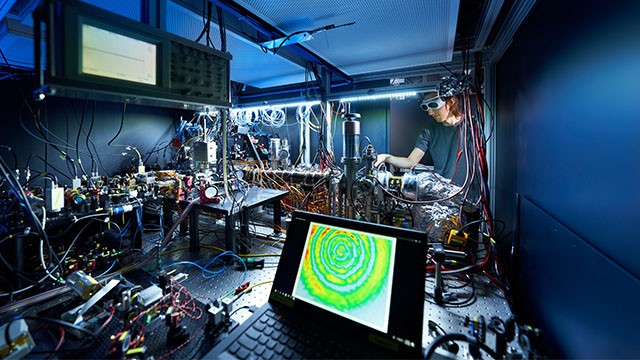
Quantum Simulation uses highly controllable quantum systems to explore and emulate complex many-body phenomena, which have no direct analog in nature. It advances both analogue and digital approaches, offering powerful tools to investigate the behaviour and dynamics of quantum matter.
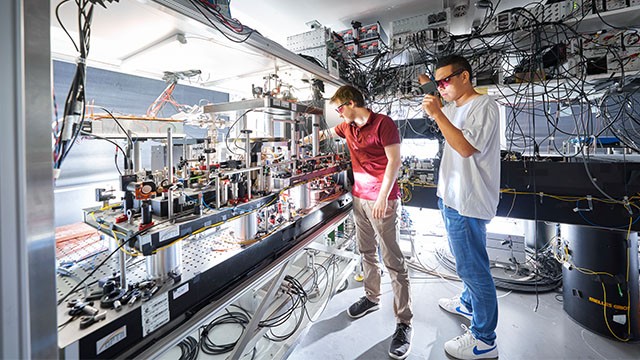
Quantum Networks
Quantum Networks aims to develop a quantum internet that securely links devices worldwide. Small- and large-scale quantum networks may revolutionize the way we communicate and process information by leveraging the unique features of quantum mechanics.
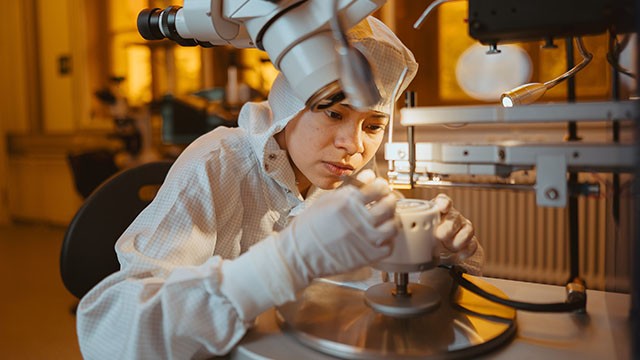
Quantum Matter
Quantum Matter studies how interacting quantum particles form highly correlated states with surprising and exotic properties. These many-body systems are challenging to predict and realize, offering rich insights into emergent phenomena at the frontier of quantum research.
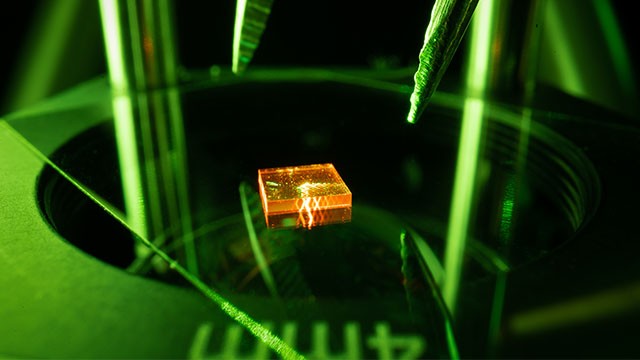
Quantum Sensing
Quantum Sensing harnesses the sensitivity of quantum systems to their environment, enabling the detection of extremely weak signals with enhanced precision, lower noise, and improved measurement capabilities.
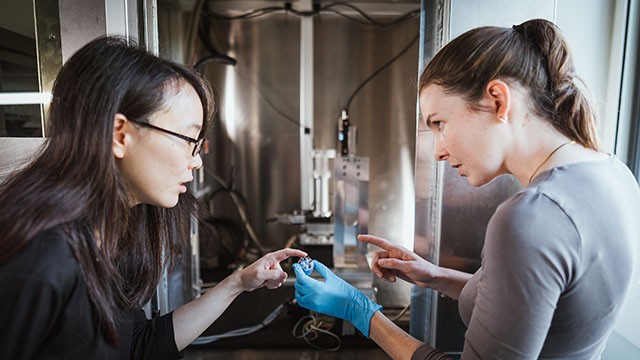
Emerging Directions
In Emerging Directions, we explore interdisciplinary connections between Quantum Science and Technology and other research areas. We want to develop QST tools to explore the widest range of scientific problems, from fundamental physics and quantum chemistry to biological and medical physics.
Research Program in MCQST-1
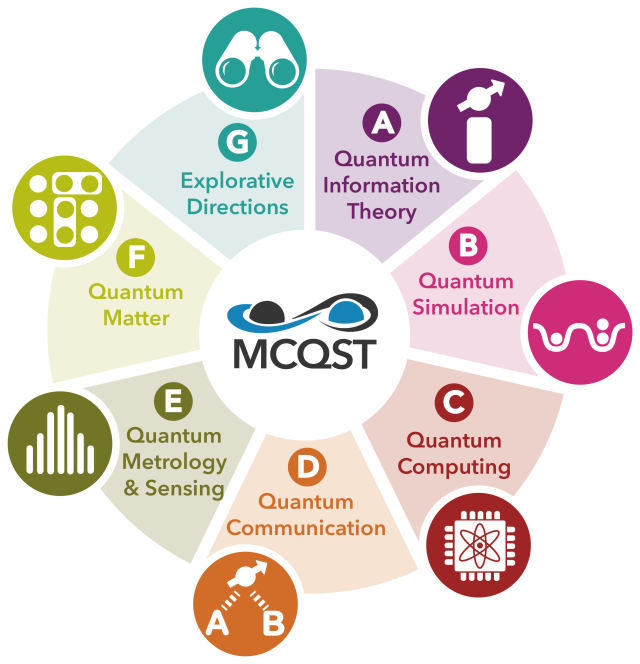
The research program of MCQST-1 (2019–2025) was built around seven research units that together covered all key thematic areas of Quantum Science and Technology. Six of these units represented the core pillars of MCQST’s scientific activities, while a seventh exploratory unit was dedicated to identifying emerging research directions and opportunities for quantum technologies.
Building on the strong foundation, the MCQST-2 program continues to advance and expand the frontiers of Quantum Science and Technology, further strengthening Munich’s role as a leading hub for cutting-edge quantum research.