MCQST-1 Research Program
The Munich Center for Quantum Science and Technology (MCQST) brings together over 80 research groups and more than 500 scientists across an interdisciplinary research program, covering the full spectrum of Quantum Science and Technology (QST)—from fundamental research to advanced materials, technologies, and applications.
Building on Munich’s broad and complementary scientific strengths, MCQST researchers bring proven expertise and have made pioneering contributions across all core areas of QST. With its excellent infrastructure and dynamic scientific environment, Munich is uniquely positioned to tackle the ambitious and interdisciplinary challenges at the heart of MCQST’s research program and to push the boundaries of this rapidly evolving field.
The overarching goal of MCQST is to discover, understand, and harness the novel and unifying concepts of QST. Central to this endeavour is the ability to understand, control, and exploit quantum entanglement at various scientific frontiers, ultimately enabling the development of next-generation quantum devices.
From 2026, MCQST enters its second funding phase with a restructured program, building on this foundation to push the frontiers of quantum research and strengthen Munich’s position as a global hub for quantum science and technology.
Research Highlights


Structure of the research program
The first six research units cover all the key thematic topics in Quantum Science and Technology. They represent the main areas of research of MCQST and cover all internationally identified core topics of QST. The seventh research unit intends to explore and identify novel research directions for QST in other fields of science, including fundamental physics, cosmology, high-energy physics, and quantum chemistry.
We believe that the defined structure will allow us to optimally combine the unique multidisciplinary competence within MCQST into well-defined subunits focusing on particular thematic topics. Through a tight interconnection of researches, common methodologies and techniques, as well as the fact that many Principal Investigators are active in several research units, research in MCQST is naturally multi-disciplinary and benefits from synergies and close collaboration between different research topics and fields.
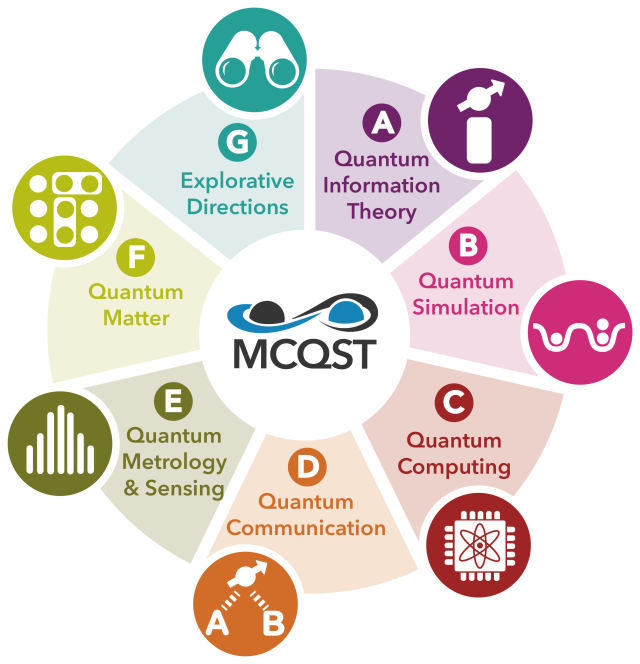
Research Units

Research Unit A

Research Unit B

Research Unit C

Research Unit D

Research Unit E

Research Unit F

Research Unit G
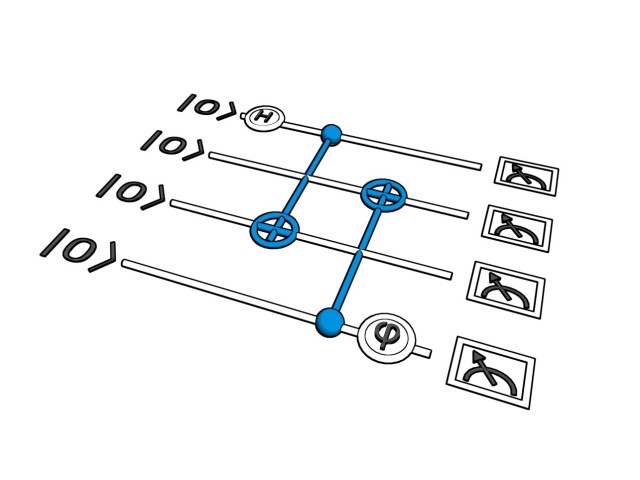
Quantum Information Theory
The area of Quantum Information pursues new ways of processing and transmitting information using the rules of Quantum Physics.
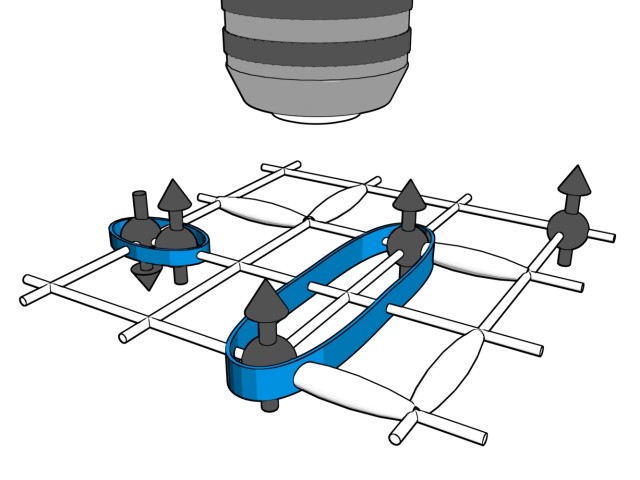
Quantum Simulation
The area of quantum simulation deals with new approaches to understanding and controlling complex quantum many-body systems on different time and energy scales, both in experiment and theory.
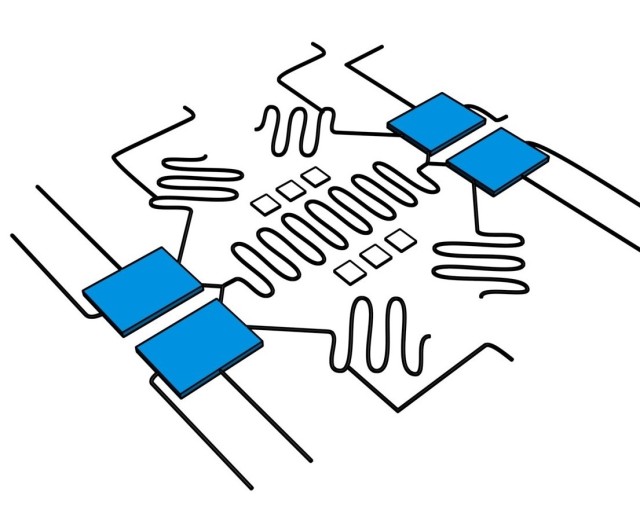
Quantum Computing
New experimental techniques are being pursued in order to address some of the biggest challenges posed by the construction of a quantum computer, a device that uses fundamental laws of quantum physics to solve complex problems that no classical device can ever be able to address.
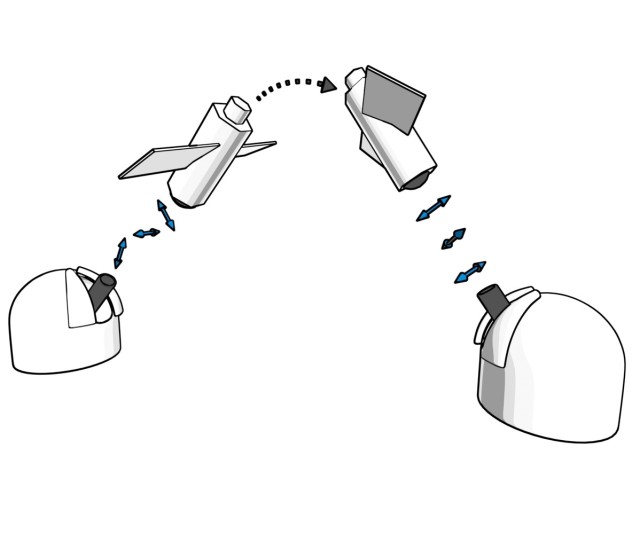
Quantum Communication
Quantum information methods can improve and extend the capabilities of state-of-the-art communication systems greatly, with an emphasis on information security and confidentiality.
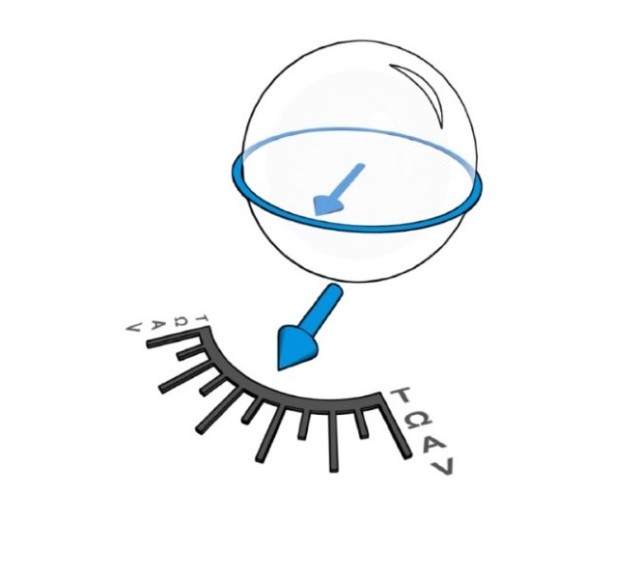
Quantum Metrology & Sensing
On the quest for higher precision, sensors are now reaching the quantum limit. At this point, quantum science is about to become an integral component of sensor development, providing fundamental new understandings of the presently attainable limits of noise.
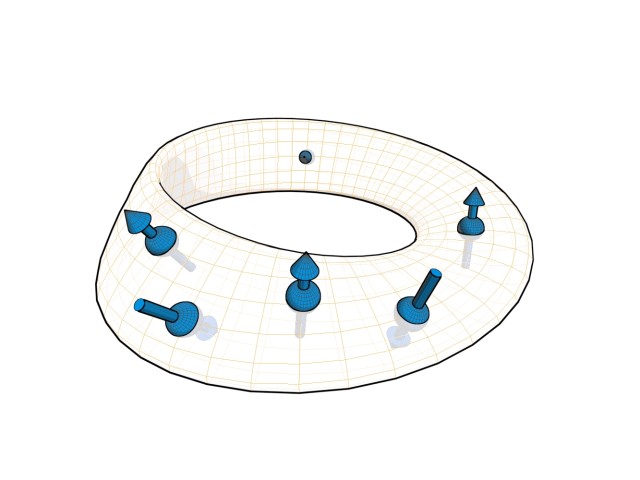
Quantum Matter
Research in quantum matter bears great potential for transformative discoveries and holds promise for a new generation of electronic, spintronic and photonic devices with currently inaccessible functionalities.
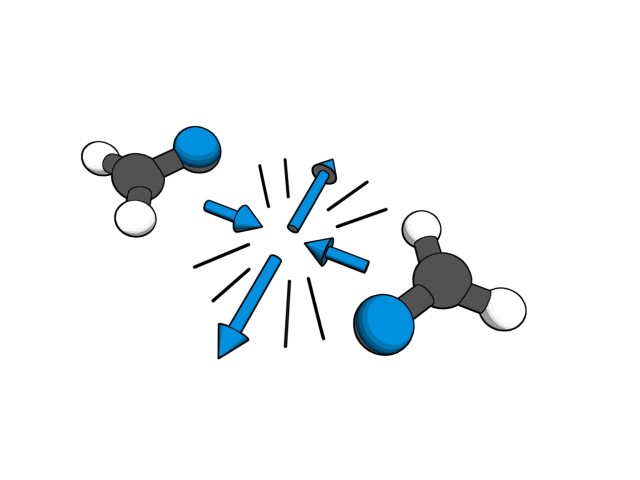
Explorative Research
During the last few years, different disciplines across quantum science have developed common interests. Entanglement is the bridging element and provides an innovative view of some of the most fundamental problems in these respective fields.