IMPRS-MCQST Supervision Award 2025
16 February 2026
Recognizing Outstanding Supervision
The IMPRS-MCQST community is delighted to announce the winners of the 2025 IMPRS-MCQST Supervision Award, recognizing exceptional commitment to guidance and support in doctoral and postdoctoral supervision. This award highlights the pivotal role that excellent supervision plays in shaping successful research careers and fostering an inclusive, supportive academic environment.
Survey and nominations from the community
Following an anonymous survey of doctoral candidates and postdocs across the IMPRS-QST and MCQST networks at the end of 2025, a selection panel composed of PhD and Postdoc Board representatives and members of the IMPRS-MCQST office selected two outstanding supervisors whose contributions have had a profound impact on their group members’ scientific and professional development. The award was announced at MCQST’s General Assembly on 4 February 2026, held at the Max Planck Institute of Quantum Optics in Garching, with many members of the MCQST community in attendance.
Awardees for Excellent Supervision
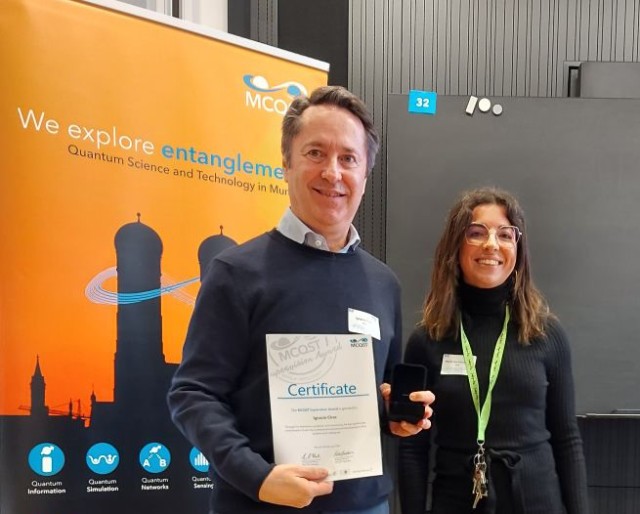
"This award means a great deal to me. I have always been very fortunate to work with not only excellent PhD students, but also truly wonderful people. One of the most rewarding aspects of supervision is seeing them grow from brilliant students into confident and talented researchers. Giving them the freedom to explore and shape their own ideas empowers them to pursue successful careers, whether in academia or in industry." says Ignacio Cirac.
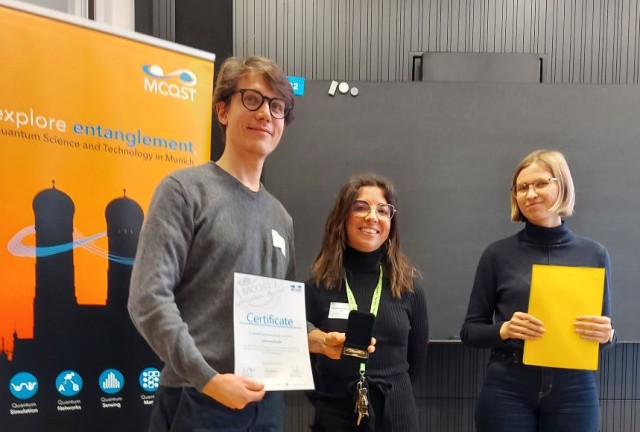
"It is a privilege to mentor young researchers and to witness their transformation into independent scholars. Accompanying their growth is one of the best parts of academic life.” mentiones Prof. Knolle.
Voices from the Community
“A mentor whose exceptional scientific depth, unwavering support, and human-centered leadership create an inspiring, empowering, and truly outstanding supervision experience” – submitted with the nomination of Ignacio Cirac.
“An exemplary mentor whose rare combination of academic excellence, integrity, and genuine care inspires independence, collaboration, and a truly supportive research community” – submitted with the nomination of Johannes Knolle.
Congratulations to the awardees for their outstanding contributions to the academic community!
About the IMPRS-MCQST Supervision Award
The Award was established to honour exceptional supervision within the Munich quantum science and technology community. The IMPRS-MCQST Supervision Award acknowledges group leaders who exemplify transparency, constructive communication, career guidance, and a supportive research environment. Winners are selected based on nominations from the community and evaluated by a diverse panel including doctoral and postdoctoral representatives.
- The prize was awarded for the first time last year, to Michael Wolf and Frank Pollmann. Read all about it here.
- Visit the Supervision Award page.