Research Area 2: Quantum Simulation
The field of quantum simulation addresses fundamental questions on equilibrium properties and dynamics of complex quantum many-body problems using systems that can emulate them and for which we have a high degree of control. Furthermore, it can realize novel quantum many-body systems, which so far have no direct analog in nature. There are two different ways of carrying out quantum simulation: (i) analog and (ii) digital.
Goals of the RA-2: Quantum Simulation are:
- Develop theoretical methods for many-body quantum systems.
- Deploy new experimental techniques and build new platforms for quantum simulation.
- Simulate open quantum systems and develop feedback schemes to realize active quantum matter.
- Combine analog and digital quantum simulation
The overarching goal is to make quantum simulations a unique tool to explore and engineer quantum many-body systems with new probes and control mechanisms. This will allow, among others, new insights into the entanglement structure and hidden order of complex ground states, enable us to reveal unifying concepts in non-equilibrium dynamics, and engineer novel forms of open ‘active’ quantum matter, including feedback schemes, with useful applications, e.g., in quantum metrology and quantum networks. It will also allow us to better understand how and for which problems quantum advantage can be obtained in experiments by comparing them against novel quantum-inspired classical algorithms.
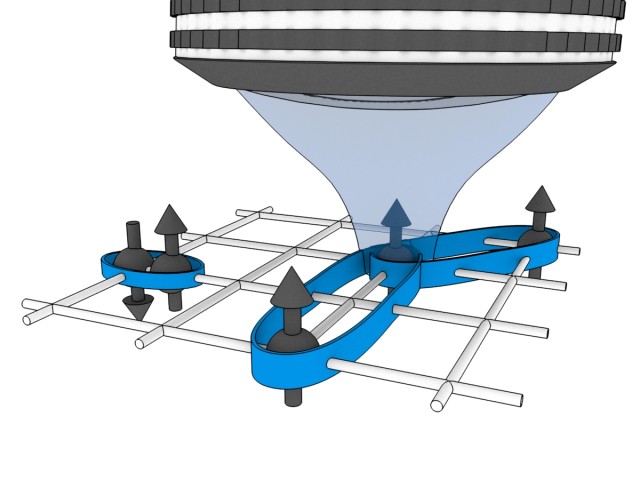
For all that, quantum simulators need to be scaled up and made more reliable and programmable, especially also by combining both analog and digital operation modes, which will pave the way towards realizing efficient benchmarking and verification protocols.
RA-2 Coordinators
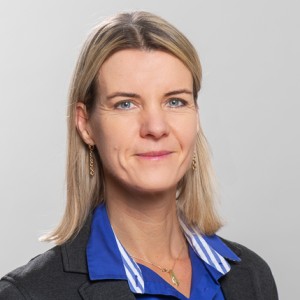
Barbara Kraus
Quantum Computing, Verification of Quantum Device
MCQST Speaker
Equal Opportunity Manager
RA-2 Co-coordinator

RA-2 Members
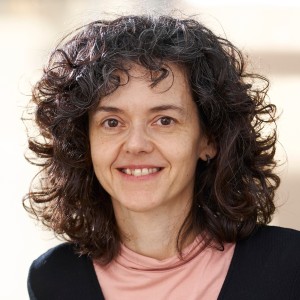
Mari Carmen Bañuls
Tensor Networks and Quantum Many-Body Systems
Equal Opportunity Manager
RU-B Co-coordinator

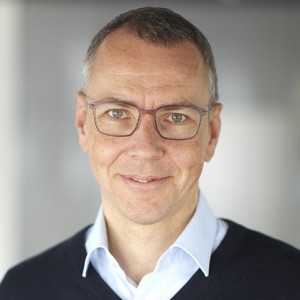
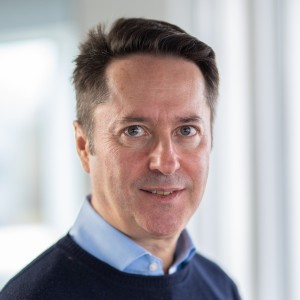

Jad C. Halimeh
LMU Professor of Theoretical Physics & Max Planck Research Group Leader
Research Website